
Leading Selection of Concrete Installation Products for Builders
Equip yourself with the most reliable and effective products used by professionals for concrete projects.
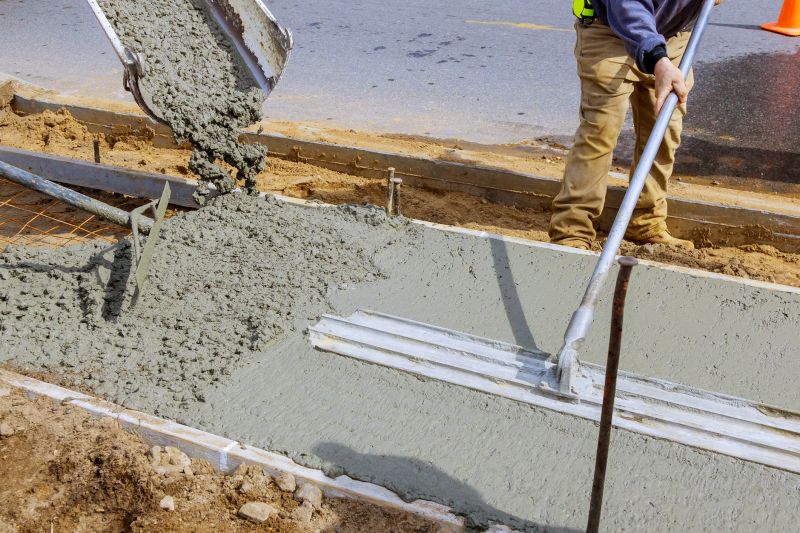 Concrete installation projects in Mount Pleasant, SC, require careful selection of products to ensure durability and quality. Whether you're pouring a new driveway, patio, or foundation, the right tools and materials can significantly influence the outcome. From setting forms and reinforcing structures to finishing surfaces, a wide range of products are available to support each stage of the process. Proper preparation and the use of suitable products help achieve a smooth, long-lasting finish that withstands the test of time and weather conditions common in the South Carolina region.
Top Overall Option
Concrete Formwork System
A comprehensive concrete formwork system provides a sturdy and reusable framework for shaping concrete during the curing process. It includes panels, supports, and accessories designed to create precise edges and smooth surfaces. Such systems are adaptable to various project sizes and shapes, making them a versatile choice for both DIY enthusiasts and professionals. Durable and easy to assemble, a quality formwork system can streamline the installation process and improve the overall finish of concrete structures.
Types of Products For Concrete Installations
Rebar and Reinforcement Mesh
Rebar and reinforcement mesh are used to strengthen concrete structures and reduce cracking. They are essential for slabs, foundations, and walls.
Concrete Mixers
Portable concrete mixers facilitate mixing concrete on-site, ensuring a consistent mixture for various projects.
Formwork Panels
Formwork panels shape and support poured concrete, providing clean edges and smooth surfaces.
Trowels and Floats
These finishing tools help achieve a smooth, level surface on freshly poured concrete.
Curing Compounds
Curing compounds retain moisture in the concrete, promoting proper curing and strength development.
Sealants and Surface Protectors
Sealants protect finished concrete from moisture, stains, and wear, extending its lifespan.
Vibrators and Compactors
Vibrators ensure proper compaction of concrete, eliminating air pockets and improving density.
Leveling Tools
Leveling tools help ensure even surfaces and accurate slopes during installation.
Expansion Joints
Expansion joints accommodate movement and prevent cracking in large concrete slabs.
Anchors and Fasteners
Anchors secure fixtures and structural elements to concrete surfaces.
Wire Ties and Clips
Wire ties and clips are used to connect reinforcement mesh and rebar securely.
Concrete Pumps
Concrete pumps facilitate the transfer of liquid concrete to hard-to-reach areas on-site.
Edge Trims and Molds
Edge trims and molds help create decorative or functional edges on concrete surfaces.
Surface Texturing Tools
Tools for texturing concrete surfaces add slip resistance or aesthetic patterns.
Popular Choices
Reinforcing rebar is commonly used to strengthen concrete slabs and foundations in various projects.
Curing blankets help maintain moisture and temperature during the curing process.
Portable mixers are popular for small to medium projects requiring on-site mixing.
Form ties secure form panels and prevent bulging during concrete pouring.
Vibrators are widely used to ensure proper compaction of poured concrete.
Sealant sprays provide a protective coating to concrete surfaces post-installation.
Fillers for expansion joints help absorb movement and prevent cracking.
Screeds are used to level and smooth freshly poured concrete surfaces.
Edge finishing tools help create clean, defined edges on concrete slabs.
Wire mesh rolls provide reinforcement for slabs and large surfaces.
Pumps are useful for transferring concrete efficiently in various project sizes.
Tools for adding textures to concrete surfaces for slip resistance or aesthetics.
Understanding the various products involved in concrete installation can help homeowners and contractors make informed decisions. For example, selecting the appropriate formwork materials ensures the concrete maintains its shape during curing. Reinforcement products like rebar and wire mesh add strength to the structure, preventing cracking and structural failure. Finishing tools such as trowels and floats are essential for achieving a professional surface appearance. Additionally, curing compounds and sealants play a vital role in protecting the concrete during the curing process and beyond, maintaining its integrity and appearance.
In Mount Pleasant, where outdoor projects are common, durability and weather resistance are key considerations. Properly chosen products can help mitigate issues caused by moisture, temperature fluctuations, and ground movement. Whether working on a small residential project or a larger commercial installation, the availability of versatile and reliable products makes the process more efficient and results more consistent. Investing in quality materials and tools tailored for concrete installation can lead to a successful project that lasts for years to come.
Key Buying Considerations
- Project size and scope to determine the quantity and type of products needed.
- Compatibility of reinforcement materials with the concrete mix and structural requirements.
- Durability and weather resistance of formwork and finishing tools for outdoor projects.
- Ease of assembly and disassembly for reusable formwork systems.
- Surface finish preferences, including texture and smoothness, influencing tool selection.
- Curing and sealing options to protect concrete during and after the curing process.
- Budget constraints balanced with quality and long-term performance of materials.
- Availability of accessories and replacement parts for ongoing or future projects.
- Safety features and ease of handling for tools and equipment.
- Compatibility with existing tools and equipment on-site.
- Environmental conditions in Mount Pleasant, SC, that may affect product performance.
- Manufacturer reputation and product reviews for reliability and support.
- Ease of transportation and storage of bulk materials or large equipment.
- Local supplier proximity to reduce shipping time and costs.
- Compliance with local building codes and standards.